How to Get Your First Credit Card Without a Credit History (Best Secured Credit Cards Guide)
How to Get Your First Credit Card Without a Credit History
Building credit in the United States can seem impossible if you have no credit history. Most traditional credit card issuers want to see a strong credit profile before approving an application. But how do you build credit if no one gives you a chance?
The answer is secured credit cards.
A secured credit card is one of the easiest and safest ways to establish your credit score from scratch. Whether you’re a student, a recent immigrant, or simply someone who has never used credit before, secured cards can help you begin your financial journey.
In this guide, you’ll learn how secured credit cards work, how to qualify, and how to use them to build excellent credit.
What Is a Secured Credit Card?
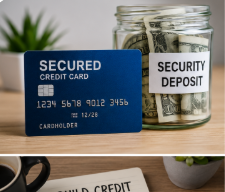
A secured credit card requires a refundable security deposit when you open the account. This deposit acts as collateral for the lender and usually becomes your credit limit.
For example:
- Security Deposit: $300
- Credit Limit: $300
Unlike a prepaid card, you’re actually borrowing money each month. Your payment history is reported to the major credit bureaus, allowing you to build your credit profile.
Why Secured Credit Cards Are Ideal for Beginners
Secured credit cards are specifically designed for people with:
- No credit history
- Limited credit history
- Poor credit
- Recent immigrants
- College students
- Young adults starting their financial lives
Because the bank has your security deposit, approval requirements are generally much easier than with traditional unsecured credit cards.
How to Qualify for Your First Credit Card
Most issuers require only a few basic qualifications:
- Be at least 18 years old (or the legal age in your state)
- Have a valid Social Security Number or ITIN (depending on the issuer)
- Show proof of income
- Provide a refundable security deposit
Some issuers even approve applicants with no previous credit score.
How Much Is the Security Deposit?
The required deposit varies depending on the issuer.
Typical deposits include:
- $200
- $300
- $500
- $1,000 or more
Your deposit is refundable if you close the account in good standing or if your card graduates to an unsecured version.
How Secured Cards Build Your Credit
Your issuer reports your account activity every month to the three major credit bureaus:
- Experian
- Equifax
- TransUnion
The following factors help improve your credit score:
Always Pay On Time
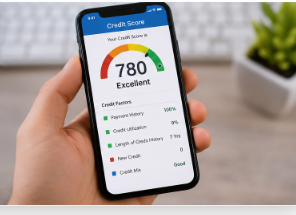
Payment history is the single biggest factor affecting your credit score.
Even one late payment can significantly hurt your progress.
Keep Your Credit Utilization Low
Experts recommend using less than 30% of your available credit.
Example:
Credit Limit: $300
Ideal Monthly Balance: Under $90
Lower utilization generally helps improve your score faster.
Keep the Account Open
Credit history length matters.
The longer your account remains open and in good standing, the stronger your credit profile becomes.
How Long Does It Take to Build Credit?
Most people begin seeing a credit score after approximately:
- 3–6 months of responsible use
Within:
- 6–12 months
Many cardholders become eligible for:
- Higher credit limits
- Better rewards cards
- Auto loans
- Apartment applications
- Personal loans
- Lower interest rates
Can You Upgrade to an Unsecured Credit Card?
Yes.
Many secured card issuers periodically review your account.
If you’ve consistently:
- Paid on time
- Maintained low balances
- Used the card responsibly
You may qualify for:
- Refund of your security deposit
- Increased credit limit
- Upgrade to an unsecured credit card
Common Mistakes to Avoid
Missing Payments
Late payments can damage your credit score for years.
Set up automatic payments whenever possible.
Maxing Out Your Card
Using all of your available credit may lower your score.
Keep balances low whenever possible.
Applying for Too Many Cards
Each application may create a hard inquiry on your credit report.
Apply only for cards that fit your needs.
Closing Your First Credit Card Too Soon
Older accounts strengthen your credit history.
Consider keeping your first account open, especially if it has no annual fee.
Benefits of Building Credit Early
A strong credit score can help you:
- Qualify for better credit cards
- Obtain lower loan interest rates
- Rent an apartment more easily
- Finance a car
- Purchase a home
- Lower insurance costs in some states
- Improve financial opportunities
Good credit can save thousands of dollars over your lifetime.
Frequently Asked Questions
Can I get a credit card with no credit history?
Yes. Secured credit cards are specifically designed for people who are building credit for the first time.
Will my security deposit be refunded?
Yes. As long as your account is in good standing, your deposit is typically refunded when you close the account or graduate to an unsecured card.
Does a secured credit card build credit?
Yes. Most secured cards report your payment history to Experian, Equifax, and TransUnion, helping you establish and improve your credit score.
How much should I spend on my secured card?
Financial experts generally recommend keeping your balance below 30% of your credit limit, though staying under 10% may provide even greater benefits.
How fast can I improve my credit?
Many users establish a credit score within three to six months when they consistently pay on time and keep their balances low.
Final Thoughts
Getting your first credit card without a credit history is easier than many people think. A secured credit card offers a practical and reliable way to establish credit while learning responsible financial habits.
By making on-time payments, keeping your credit utilization low, and maintaining your account over time, you can build a strong credit profile that opens the door to better financial products and opportunities.
If you’re just starting your credit journey, a secured credit card can be the first step toward long-term financial success.